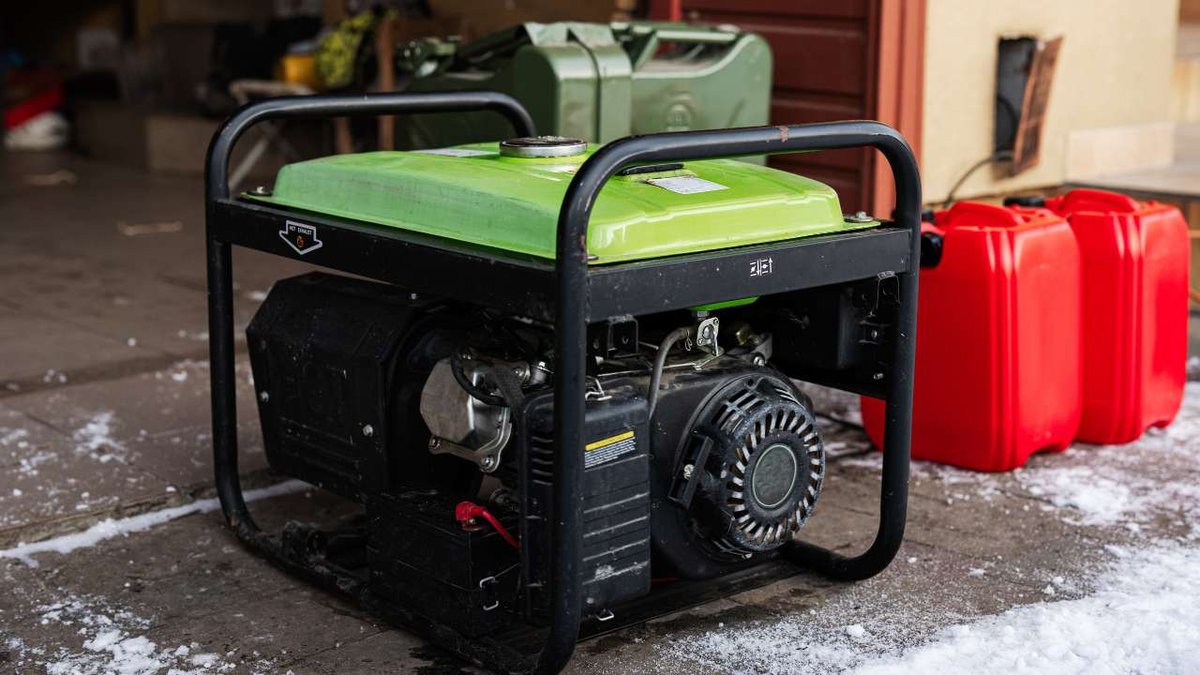
When the lights go out, a reliable home generator isn't just a convenience—it's peace of mind. For many homeowners, a 25kW generator strikes that sweet spot, offering enough muscle to power a substantial portion, if not all, of an average-sized home's essentials, from the refrigerator and HVAC to lighting and crucial medical devices. But with so many Types & Fuel Options for 25kw Generators, how do you choose the one that's right for you? It's a critical decision, influencing everything from daily operating costs and fuel storage to noise levels and emergency preparedness.
Think of your generator's fuel choice as building the foundation of your backup power system. The "best" option isn't universal; it's deeply personal, shaped by your lifestyle, budget, local resources, and tolerance for maintenance. Let's break down the major players so you can make an informed decision.
At a Glance: Deciding on Your 25kW Generator Fuel
- Gasoline: Best for portable, short-term needs. Widely available, but fuel degrades quickly, it's noisy, and requires frequent refueling. Not ideal for a robust 25kW whole-home solution.
- Propane: A versatile option for standby and some portable models. Clean-burning, long shelf life, quieter. Requires a storage tank and delivery service, and has slightly lower energy density than diesel or natural gas. Good for medium-to-long outages.
- Natural Gas: The ultimate in convenience for homes with a gas line. Unlimited fuel supply (if the line isn't cut), clean, quiet, and low maintenance. High upfront installation cost and dependent on utility infrastructure.
- Diesel: The powerhouse. Highly fuel-efficient, durable, and safer to store than gasoline. Best for large homes with high-demand loads and long-term outages. Higher upfront cost, can be louder, and requires cold-weather additives.
- Dual-Fuel: Offers flexibility between gasoline and propane, useful for portable or mid-size units where fuel availability might be uncertain. Requires managing two fuel types.
- Solar (Battery): Zero emissions, silent, and minimal maintenance. Limited power output, not suitable for high-demand 25kW whole-home needs, primarily for small electronics and supplemental power.
Why a 25kW Generator Might Be Your Home's Hero
Before diving into fuel types, let's briefly consider what a 25kW generator brings to the table. This size isn't for occasional light use; it's designed for serious backup. A 25kW unit can typically handle:
- Whole-home power: Running most or all of your home's circuits, including central air conditioning (up to 5-ton units), well pumps, electric water heaters, multiple refrigerators, and all your standard electronics and lighting.
- High-demand appliances: Like electric ovens, clothes dryers, and large workshop tools, though perhaps not all simultaneously.
- Extended outages: Providing comfort and functionality for days or even weeks if properly fueled.
This level of power means your choice of fuel becomes even more critical, as you'll be consuming a significant amount to keep everything running. For a deeper dive into sizing and other factors, you can explore Your complete 25kw generator guide.
The Fuel Rundown: Which Option Powers Your Peace of Mind?
Let's explore the ins and outs of each major fuel type, with a particular eye toward what they mean for a robust 25kW home generator system.
1. Gasoline Generators: The Portable Workhorse (Less Ideal for 25kW Standby)
Gasoline is the most common fuel for portable generators, and for good reason: it's readily available at any gas station. However, for a 25kW generator, which is typically a much larger, often standby unit, gasoline quickly reveals its limitations.
- The Upside:
- Widespread Availability: You can find gasoline almost anywhere, making it easy to refuel smaller units.
- Lower Upfront Cost: Gasoline generators themselves tend to be more affordable, especially in portable models.
- The Downside (Especially for 25kW):
- Fuel Storage Nightmare: Gasoline has a short shelf life (3-6 months without stabilizer) and requires strict, hazardous storage in approved containers, away from living areas. Storing enough gasoline for a 25kW unit to run for days would be impractical and dangerous.
- High Consumption: A 25kW gasoline generator would guzzle fuel at an astonishing rate, requiring constant, manual refueling—a major chore during a prolonged outage.
- High Emissions & Noise: Gasoline engines are typically louder and produce more emissions than their propane or natural gas counterparts.
- Emergency Shortages: During widespread outages, gas stations often run out of fuel or lose power themselves, making refueling difficult or impossible.
- Safety & Maintenance: Always use fuel stabilizers if storing gasoline. Run the generator outdoors, at least 20 feet from windows and vents, to prevent carbon monoxide poisoning.
Verdict for 25kW: While great for small, portable applications, gasoline is generally not a practical or safe choice for a 25kW whole-home standby generator. The logistical challenges and safety concerns simply outweigh the benefits.
2. Propane Generators: The Versatile & Clean Contender
Propane (LPG) stands out as a highly flexible and reliable fuel source, particularly for medium to large residential standby generators, including 25kW units. It's especially popular in rural and suburban areas where natural gas lines aren't accessible.
- The Upside:
- Clean-Burning & Low Emissions: Propane burns cleaner than gasoline or diesel, resulting in fewer harmful emissions and less soot.
- Indefinite Shelf Life: When stored in sealed tanks, propane doesn't degrade, meaning you can stock up well before storm season without worry.
- Quieter Operation: Propane generators generally run quieter than gasoline or diesel units, a definite plus for neighborhood harmony.
- Good for Long Outages: With a sufficiently sized tank, propane can provide days or even a week's worth of power for a 25kW generator. A 500-gallon tank can run a 22 kW generator for 7-10 days, so a 25 kW unit would consume slightly more.
- The Downside:
- Requires Storage Tank: You'll need a dedicated propane storage tank (e.g., 250, 500, or 1000 gallons) on your property, along with regular delivery or refill services.
- Lower Energy Density: Propane has slightly lower energy density than diesel or natural gas, meaning a 25kW unit might consume more propane by volume to produce the same power, potentially requiring more frequent refills or a larger tank.
- Initial Setup Costs: The cost of the large tank and professional installation can add to the upfront investment.
- Safety & Maintenance: Regularly inspect tanks, hoses, and fittings for leaks. Store tanks upright in a well-ventilated area outdoors. Keep spare tanks (if applicable) full before storm season.
Verdict for 25kW: Propane is an excellent option for a 25kW home standby generator, offering a balance of clean operation, long-term fuel stability, and reasonable operating noise. It's a top choice for homes without natural gas access that need reliable, multi-day backup.
3. Natural Gas Generators: The Ultimate in Convenience
If your home is connected to a natural gas line, this fuel type offers unparalleled convenience and is often considered the "gold standard" for whole-house standby generator systems, including robust 25kW units.
- The Upside:
- Unlimited Fuel Supply: As long as the natural gas grid is operational, your generator has a continuous, virtually unlimited fuel supply—no refueling, no worrying about tank levels.
- Clean Emissions: Natural gas is one of the cleanest-burning fossil fuels, producing minimal emissions.
- Low Maintenance & Quiet: These units tend to require fewer service calls and are generally the quietest among combustion-engine generators.
- Automatic Backup: Ideal for set-it-and-forget-it automatic whole-house backup for extended periods.
- The Downside:
- Availability: Not all homes or areas have access to a natural gas line.
- Utility Dependence: The generator's operation is entirely dependent on the natural gas utility infrastructure. If the gas line is shut off (e.g., due to an earthquake or major leak), your generator won't run.
- Higher Upfront Installation Cost: Connecting a 25kW generator to your home's natural gas line requires professional installation, including potentially upgrading your gas meter or line, which can be expensive.
- Lower Power Output: Compared to diesel, natural gas units might have a slightly lower power output from the same sized engine, though modern 25kW units are highly efficient.
- Maintenance: Natural gas generators typically require the least amount of owner-involved maintenance, mostly consisting of professional annual check-ups.
Verdict for 25kW: For homes with natural gas access, a natural gas generator is arguably the most convenient and reliable choice for a 25kW whole-house standby system. The unlimited fuel supply during outages provides unmatched peace of mind.
4. Diesel Generators: The Powerhouse of Efficiency & Durability
Diesel generators are renowned for their rugged reliability, fuel efficiency, and long lifespan. They are often the go-to choice for large standby systems, high-demand partial backup for spacious homes, farms, or estates, making them a strong contender for 25kW units and larger.
- The Upside:
- High Fuel Efficiency: Diesel engines are incredibly fuel-efficient, especially under heavy loads, meaning your 25kW generator will consume less fuel per kilowatt-hour produced compared to gasoline or propane.
- Long Engine Life & Durability: Diesel engines are built to last, often outperforming other fuel types in terms of engine longevity and robustness.
- Safer Fuel Storage: Diesel fuel is less flammable than gasoline, making it safer to store. It also has better storage stability (up to 12 months without treatment).
- Ideal for High Demand: Perfect for homes that need consistent, robust power for large loads like multiple HVAC units, well pumps, and demanding kitchen appliances.
- The Downside:
- Higher Initial Cost: Both the diesel generator itself and its installation typically come with a higher price tag than other options.
- Louder Operation: Diesel generators are generally louder than propane or natural gas units, which can be a consideration in residential areas.
- Cold Weather Challenges: Diesel fuel can "gel" in extremely cold temperatures, potentially preventing the generator from starting unless additives or block heaters are used.
- Bulk & Strict Storage: While safer than gasoline, storing bulk diesel requires substantial, strict safety measures and space.
- Emissions: Historically, diesel engines had higher emissions, though newer models have significantly improved with advanced filtration systems.
- Safety & Maintenance: Use fuel conditioners in cold climates. Store diesel in clean, sealed containers and rotate fuel every 6-12 months to maintain quality. Regular oil, fuel filter, and air filter changes are crucial for optimal performance and longevity.
Verdict for 25kW: Diesel generators are an excellent, high-performance choice for 25kW standby systems for homeowners prioritizing fuel efficiency, durability, and robust power for high-demand needs, especially for longer outages. The higher upfront cost is often justified by their long-term reliability and lower operating expenses.
5. Dual-Fuel Generators: The Best of Both Worlds (Often for Portable/Mid-Size)
Dual-fuel generators offer the flexibility to operate on either gasoline or propane, providing a convenient hybrid solution. While more common in portable or mid-size standby units (e.g., 7.5kW-15kW), larger 25kW dual-fuel options do exist.
- The Upside:
- Flexibility: Switch between fuels based on availability or cost. If gasoline is scarce, you can use propane, and vice-versa.
- Extended Runtime: Combining both fuel types significantly extends your potential runtime during emergencies.
- Versatility: Useful for both home backup and other purposes like powering an RV or job site.
- The Downside:
- Higher Purchase Price: Dual-fuel units typically cost more than single-fuel generators.
- Managing Two Fuels: You'll need to store and manage both gasoline and propane supplies, each with its own storage and safety requirements.
- Slightly Less Efficient: Sometimes, the conversion mechanisms can lead to a slight drop in efficiency compared to a dedicated single-fuel unit.
- Safety & Maintenance: Follow storage and safety guidelines for both gasoline and propane. Practice switching between fuels to ensure smooth operation during an actual emergency.
Verdict for 25kW: A dual-fuel 25kW generator offers unparalleled flexibility and fuel security, which can be highly valuable if you face unpredictable fuel availability during prolonged crises. It mitigates some of the "eggs in one basket" risks.
6. Solar (Battery) Generators: The Silent, Green Companion (Not for 25kW Whole-Home)
While not a direct competitor for a 25kW whole-home generator system, solar-powered battery generators (often just called "solar generators") deserve a mention as a supplemental power source. They are fundamentally different, storing energy in batteries charged by solar panels or grid electricity.
- The Upside:
- Zero Emissions & Fuel Cost: Completely clean operation with no ongoing fuel purchases.
- Silent Operation: No noisy engine, making them perfect for indoor use.
- Minimal Maintenance: Essentially plug-and-play with very little upkeep required.
- Safe for Indoor Use: No carbon monoxide risk, allowing them to power devices directly inside your home.
- The Downside:
- Limited Power Output: Current solar generators simply cannot provide 25kW of continuous power or sustain heavy loads like HVAC for an entire home. They are typically rated in hundreds of watts to a few kilowatts (e.g., 2kW).
- Dependency on Sunlight: Recharging primarily relies on sunlight, which can be inconsistent, unless paired with AC or generator charging.
- High Cost per Kilowatt: Getting anywhere near 25kW of battery storage and solar charging capacity would be astronomically expensive and physically massive for residential use, pushing into full home solar-plus-storage systems.
- Safety & Maintenance: Keep solar panels clean for maximum efficiency. Store batteries at recommended charge levels. Avoid overloading circuits.
Verdict for 25kW: Solar generators are not a viable primary solution for 25kW whole-home backup. They excel as supplemental power for essential electronics, lighting, and small appliances during short outages or for off-grid recreational use.
Making Your Choice: Key Considerations for Homeowners
When investing in a 25kW generator, your decision needs to be robust and well-thought-out. Here are the crucial factors to weigh:
1. Local Fuel Availability & Infrastructure
- Natural Gas: Do you have a natural gas line to your home, and is it reliable during outages?
- Propane: Is propane delivery readily available in your area? How quickly can a tank be refilled during an emergency?
- Diesel: Can you easily source and transport bulk diesel fuel? Are there local suppliers that will deliver?
- Gasoline: While impractical for 25kW, consider how quickly gas stations run dry during local crises.
2. Fuel Storage Requirements & Safety
- Propane: Requires an outdoor storage tank, safely installed and maintained.
- Diesel: Needs secure, ventilated, fire-safe containers, adhering to local limits. Generally safer to store in bulk than gasoline.
- Gasoline: Highly flammable, short shelf life, demanding very strict storage protocols.
- Natural Gas: No on-site storage needed, but depends on the integrity of the utility line.
3. Maintenance Commitment
- Natural Gas & Propane: Generally require fewer service calls and are less intensive for the homeowner, mostly involving annual professional check-ups.
- Diesel: Requires regular oil changes, fuel filter replacements, air filter cleaning, and potentially fuel additives in cold climates. High durability often means fewer major repairs, but consistent preventative maintenance is key.
- Gasoline: Requires fuel stabilizers for storage and more frequent oil changes for smaller, portable units. For a theoretical 25kW gasoline unit, maintenance would be very demanding.
4. Environmental Impact
- Solar, Propane, Natural Gas: These are cleaner-burning options with lower emissions.
- Diesel & Gasoline: Emit more pollutants, though newer diesel engines have improved significantly with advanced emission controls.
5. Noise and Comfort
- Solar: Silent.
- Natural Gas & Propane: Quieter among combustion options, often rated for neighborhood-friendly noise levels.
- Diesel & Standard Gasoline: Tend to be louder. If your generator is near living spaces or neighbors, noise can be a significant concern.
6. Run Time & Reliability
- Natural Gas: Offers virtually unlimited run time, assuming the utility line remains intact.
- Propane & Diesel: Provide excellent endurance for multi-day or even multi-week outages, depending on tank/storage size. A 500-gallon propane tank can run a 20kW generator for 7-10 days, so a 25kW unit would consume fuel faster but still offer substantial run time. Diesel's efficiency also contributes to longer run times per gallon.
- Gasoline: Limited run time, requiring frequent refueling.
7. Costs: Upfront vs. Ongoing
- Upfront Costs:
- Natural Gas & Propane Standby: Often have higher initial installation costs due to professional hookups, pad construction, and the propane tank itself.
- Diesel: Highest initial cost for the unit and installation due to robust construction.
- Gasoline Portable: Lowest upfront cost (but not recommended for 25kW standby).
- Ongoing Operating Costs:
- Natural Gas: Generally the lowest operating cost over time due to cheaper fuel and fewer repairs.
- Propane: Can be more expensive per BTU than natural gas, but fuel costs fluctuate.
- Diesel: Highly fuel-efficient, leading to lower operating costs per hour, especially under heavy loads.
- Gasoline: Highest ongoing fuel costs due to high consumption and fuel degradation.
The Decision Matrix: Finding Your Perfect Match
Choosing the right fuel for your 25kW generator isn't about finding a universally "best" option, but about aligning the generator with your specific needs and circumstances.
- If Convenience and Unlimited Runtime are Your Priority (and you have the infrastructure): Natural Gas is your champion. The "set it and forget it" nature, clean burn, and quiet operation are hard to beat.
- If Long-Term Storage, Cleanliness, and Flexibility are Key (without natural gas access): Propane offers a fantastic balance. Its indefinite shelf life and clean burn make it a robust choice for prolonged outages.
- If Power, Efficiency, and Durability for High-Demand Households are Paramount: Diesel stands out. Its rugged reliability and lower fuel consumption under heavy loads justify the higher initial investment for many.
- If Maximum Flexibility and Fuel Security are Your Goals: A Dual-Fuel 25kW unit (if available) can provide peace of mind by allowing you to adapt to whatever fuel is most accessible.
- If You Only Need Supplemental Power for Small Items (and not 25kW whole-home): A Solar Generator is an excellent, eco-friendly addition, but remember its limitations.
Consider your local climate, the frequency and duration of typical power outages in your area, your budget, and your willingness to manage fuel and maintenance.
Common Questions About 25kW Generator Fuel Options
Q: Can I convert my gasoline 25kW generator to run on propane or natural gas?
A: While conversion kits exist for smaller, portable generators, converting a large 25kW gasoline generator (which is already an unusual configuration) is complex, expensive, and can void warranties. It's generally better and safer to purchase a unit designed for the fuel you intend to use.
Q: How much fuel will a 25kW generator use?
A: Fuel consumption varies significantly by fuel type, load, and engine efficiency.
- A 25kW natural gas generator might consume around 250-300 cubic feet per hour at half load.
- A 25kW propane generator might use 2.5-3.5 gallons per hour at half load.
- A 25kW diesel generator would be the most efficient, potentially using 1.5-2.5 gallons per hour at half load.
These numbers increase significantly at higher loads. Always check the specific generator's consumption rates.
Q: Are there any specific permits required for large fuel tanks?
A: Yes, absolutely. Large propane or diesel tanks often require permits from your local municipality or fire department. There are also strict regulations regarding placement, distance from buildings, and installation standards. Always consult local codes and professional installers.
Q: What's the typical lifespan of a 25kW generator?
A: With proper maintenance, a high-quality 25kW standby generator (especially diesel, natural gas, or propane) can last for 20-30 years or more, often rated for thousands of hours of operation (e.g., 3,000-5,000+ hours). Engine type and maintenance are key factors.
Taking the Next Step: Your Backup Power Journey
Deciding on the fuel type for your 25kW generator is one of the most significant choices you'll make in securing your home's power future. It’s an investment in comfort, safety, and continuity. Don't rush the process. Talk to local certified generator installers, assess your home's specific power needs, and critically evaluate the pros and cons of each fuel option in the context of your lifestyle and location. With careful planning, you can ensure that when the grid goes down, your home stays powered up.