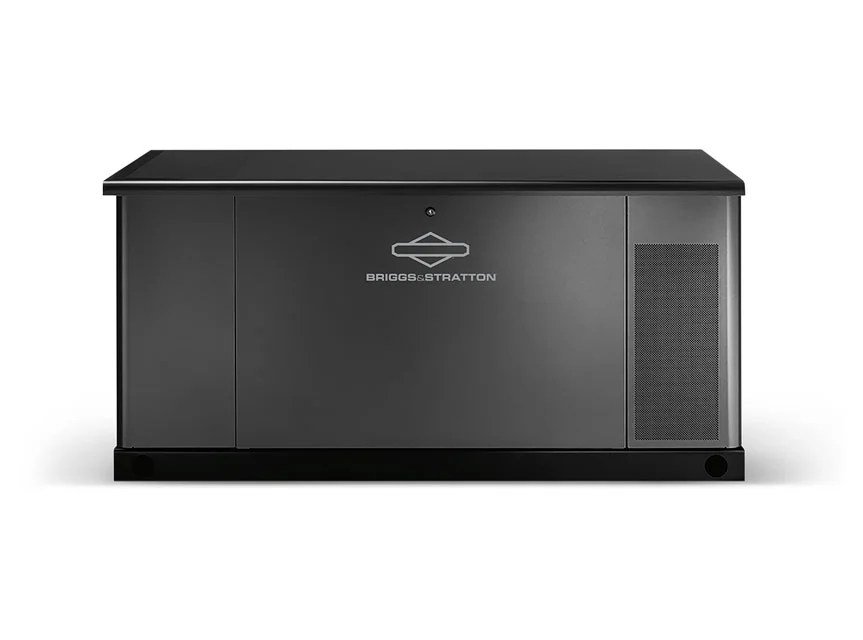
The world is increasingly unpredictable, and reliable power has become less a luxury and more a necessity. Whether you’re preparing for severe weather, looking to keep a business running, or simply want peace of mind, investing in a robust backup power solution is a smart move. For those with substantial power needs, especially for an entire home or light commercial operations, the quest often leads to high-capacity machines. This is where the world of Top Brands & Reviews of 25kW Generators comes into sharp focus.
While true 25,000-watt (25kW) portable generators are rare—most high-output portables cap around 15,000 watts—the 25kW mark is a sweet spot for many whole-home standby systems. This guide dives deep into the best brands and models, covering both high-output portables that can handle significant loads and true 25kW standby units that offer seamless, automatic power during outages.
At a Glance: Your 25kW Generator Essentials
- What 25kW Means: A 25,000-watt generator can power most average to large homes, including major appliances like HVAC, well pumps, and electric dryers, often simultaneously.
- Portable vs. Standby: High-output portables (typically 10-15kW) offer flexibility for emergencies, RVs, or job sites. True 25kW is most commonly found in permanently installed standby generators for whole-home automatic backup.
- Fuel Types: Options include gasoline, propane, natural gas, or versatile multi-fuel (dual/tri-fuel) systems.
- Key Features: Look for electric start, transfer switch readiness, CO sensors, durable engines, and convenient control panels.
- Safety First: Always operate fueled generators outdoors, far from windows and doors, to prevent carbon monoxide poisoning.
Decoding Your Power Needs: How Much Wattage Do You Really Need?
Before diving into specific models, let's talk watts. Many people overestimate or underestimate their actual power requirements. A 25kW generator is a powerhouse, designed to carry heavy electrical loads. But what does that translate to for your home or business?
Calculating your specific needs is the first, most crucial step. Start by listing all the appliances and systems you want to power during an outage. Don't forget items like refrigerators, lights, and small electronics (120V) alongside larger draws like your well pump, electric stove, water heater, or central air conditioning (which often require 240V).
Quick Wattage Estimates (for common appliances):
- Refrigerator: 600-800 watts (running), 1200-2000 watts (starting)
- Sump Pump: 750-1500 watts
- Furnace Blower: 600-1200 watts
- Microwave: 600-1500 watts
- Window AC Unit: 800-1500 watts
- Central AC (3-ton): 3000-5000 watts (running), 8000-15000 watts (starting)
- Electric Water Heater: 3000-5000 watts
- Electric Range (one burner): 1500-2500 watts
- Well Pump: 1000-2000 watts (running), 2000-4000 watts (starting)
Add up the running watts of everything you plan to use simultaneously. Then, identify the appliance with the highest starting wattage (typically motors like refrigerators, AC units, or well pumps) and add that to your running total. That's your absolute minimum requirement. Experts, like those often quoted on sites like popularmechanics.com, recommend buying a generator with about 20% more output than your calculated needs to provide a safety margin and handle future additions.
For context, a 25kW generator means 25,000 watts. This can comfortably handle most large homes (around 2,500 square feet or more), including multiple heavy-demand appliances at once.
Key Factors to Consider When Choosing Your Generator
Beyond raw power, several factors dictate the best generator for your situation. Think of these as your personal checklist:
1. Fuel Type & Efficiency
The type of fuel your generator uses significantly impacts its operation, cost, and environmental footprint.
- Gasoline: Widely available, but has a short shelf life and can be difficult to store safely in large quantities. Generators often consume a lot of gas under heavy load.
- Propane (LP): Cleaner-burning, longer shelf life than gasoline, and can be stored indefinitely in tanks. Often provides slightly less power than gasoline for the same engine size.
- Natural Gas (NG): The cleanest and most convenient option for standby generators, as it connects directly to your home's gas line for an endless supply. Power output is typically lower than gasoline or propane for the same engine.
- Dual/Tri-Fuel: Offers incredible flexibility, allowing you to switch between fuel sources based on availability. Many high-output portable models come with this feature.
Consider the availability of each fuel type in your area, storage requirements, and the generator's runtime on a full tank or connection.
2. Portability vs. Permanent Installation
Your intended use will define whether you need a portable or a standby unit.
- Portable Generators: These are wheeled units designed for temporary power. Even the highest output portables (up to 15,000 watts, like some reviewed below) are primarily used for emergency backup for critical circuits, RVs, or job sites. They require manual setup, fueling, and often an external transfer switch connection. Many weigh over 100 lbs, with some exceeding 200 lbs, making "portability" relative.
- Standby Generators: These are permanently installed outside your home, connecting directly to your electrical system. They automatically detect power outages and switch on, then shut off when grid power returns. This is where you'll most commonly find true 25kW output. They run on natural gas or propane and require professional installation, including a dedicated fuel line and an automatic transfer switch.
3. Noise Levels
Generators, especially powerful ones, can be noisy. Noise levels are measured in decibels (dB).
- Inverter Generators: Generally the quietest, often operating below 65 dB (similar to a normal conversation). They produce "cleaner" power, safer for sensitive electronics.
- Standard Portable Generators: Can range from 68 dB to over 80 dB, which can be quite loud, especially for extended use or in residential areas.
- Standby Generators: While powerful, they are designed to be outdoors and often have enclosures to dampen sound, though they still produce significant noise when running.
If noise is a major concern, particularly for residential use or RV parks (which often have <70 dB limits), pay close attention to the dB rating.
4. Starting Mechanisms & Controls
Convenience matters, especially during an emergency.
- Electric Start: Most modern high-output generators feature electric start, often with a simple push-button. Some even include remote start key fobs for added convenience.
- Manual Recoil Start: A pull cord start, more common on smaller, less expensive models.
- Automatic Start: Exclusive to standby generators, this crucial feature allows the unit to power on automatically when it senses a grid outage.
- Control Panel: Look for user-friendly panels with fuel gauges, hour meters, voltage displays (VFT), and other indicators that keep you informed.
5. Safety Features
Generator safety is paramount, particularly due to the risk of carbon monoxide (CO) poisoning.
- CO Sensor Shutdown: This is a vital feature. Many new generators include integrated CO sensors that automatically shut down the unit if carbon monoxide levels become dangerous.
- Low-Oil Shutdown: Protects the engine from damage if oil levels drop too low.
- Overload Protection: Prevents damage to the generator and connected appliances if too many devices are drawing power.
- Transfer Switch Readiness: Essential for safely connecting a generator to your home's electrical system without backfeeding the grid, which can be lethal to utility workers. For 240V devices, a 30-amp/240-volt connection and compatible transfer switch are often needed.
- Weather-Resistant Outlets: Covered outlets protect against the elements.
6. Runtime & Fuel Capacity
How long can your generator run before needing a refuel? This depends on fuel tank size (for portables) or connection to a utility line (for standby).
- Portables: Larger fuel tanks mean longer runtimes, but also more weight. Consider the balance between capacity and portability. Runtimes can vary significantly (e.g., 8-19 hours on a single tank).
- Standby Units: Connected to natural gas or a large propane tank, these can run for days as long as the fuel supply holds out.
7. Warranty & Brand Reliability
An investment in a 25kW-class generator warrants a good warranty and a reputable brand. Look for established manufacturers known for durable engines, strong customer support, and positive user reviews. Brands like Generac, Westinghouse, DuroMax, and Champion are well-regarded in the industry.
Top Brands & Reviews: High-Output Portable & 25kW Standby Generators
Now, let's explore some of the best generators that fit or approach the high-power needs typically associated with a 25kW search. As noted earlier, true 25kW is usually found in standby units. We'll categorize our reviews accordingly.
High-Output Portable Generators (Typically 9,500 - 14,500 Watts)
These units are excellent for powering critical home circuits, RVs, or demanding job sites, and represent the peak of what portable generators can offer for home backup.
1. Westinghouse 14500 Peak Watt Tri-Fuel Generator (WGen12000TF)
A Versatile Workhorse for Serious Demands
This model, often highlighted on sites like bestgeneratorreviews.com, stands out for its tri-fuel capability and robust power output.
- Power: 14,500 peak watts, 11,500 rated watts (gasoline). Output varies with fuel type.
- Fuel: Tri-fuel (gasoline, propane, natural gas). This flexibility is a huge advantage during outages.
- Features: Heavy-duty 550cc engine with cast iron sleeve, remote electric start, transfer switch readiness.
- Runtime: Up to 19 hours on a 9.5-gallon fuel tank.
- Why we like it: The tri-fuel option provides unparalleled adaptability. Its high wattage is sufficient for most home essentials and even some larger appliances, making it one of the most powerful portable options available. It’s also transfer switch ready, simplifying connection to your home.
2. DuroMax XP13000EH Dual Fuel Portable Generator
Power and Durability in One Package
DuroMax is known for rugged generators, and the XP13000EH is no exception, bringing a solid balance of power and features.
- Power: 13,000 peak watts, with substantial running wattage.
- Fuel: Dual fuel (gasoline and propane).
- Features: Electric start, transfer switch ready, robust DuroMax engine, MX2 technology (allowing for either 120V or 240V operation at full power).
- Why we like it: This "beast" of a generator provides ample power for almost any residential backup need, short of running everything simultaneously in a very large home. The dual-fuel option adds critical flexibility, and its reputation for durability makes it a trustworthy choice.
3. Westinghouse WGen9500DF Dual Fuel Portable Generator
Most Versatile High-Output Portable
As reviewed by popularmechanics.com, the WGen9500DF is a popular choice for its balance of power and practical features.
- Power: 9,500 running watts (gasoline), with peak wattage around 12,500. Output varies by fuel.
- Fuel: Dual-fuel (gasoline and propane).
- Features: Push-button electric start, remote start, 30- and 50-amp outlets (great for connecting to a home's transfer switch or high-draw RVs).
- Runtime: Up to 12 hours on a 6.6-gallon gas tank.
- Why we like it: Its strong output and dual-fuel capability make it incredibly versatile for home backup. The 50-amp outlet is crucial for tying into larger home systems, making it a favorite for those needing serious temporary power. A minor drawback is its noise level (74 dB), which might be an issue in some quieter RV parks.
4. Generac GP9500E Portable Generator
Best Value for High Output
Generac is a leader in standby generators, and their portable lineup often offers great performance for the price. The GP9500E is a strong contender.
- Power: 9,500 running watts, with a high starting capacity.
- Fuel: Gasoline (ground truth mentions tri-fuel, suggesting variants might exist, but primary data is for gas).
- Features: Generac's 420cc OHV engine, electric start, essential safety features like low oil and CO2 shutdown.
- Why we like it: For its power output, the GP9500E offers excellent value, often priced around $1100. It's a reliable option for powering a significant portion of your home. It is heavy and can be noisy under load, but its performance often outweighs these points for many users.
5. Harbor Freight Predator 9,500 Watt Super Quiet Inverter Generator
Most Portable (for an Inverter of this size)
Harbor Freight’s Predator line has gained a reputation for offering robust equipment at competitive prices. This inverter model is a standout.
- Power: 9,500 running capacity.
- Type: Inverter generator, meaning cleaner power for sensitive electronics.
- Features: Super quiet operation, equipped with wheels and handles for better maneuverability despite its weight, includes plugs for easy wiring.
- Why we like it: It offers the best of both worlds: high power and the clean, quiet operation of an inverter. Its four-wheel design makes moving it around easier than many other large portables.
6. DuroMax XP11000iH Dual Fuel Inverter Generator
Best Overall High-Output Inverter
Another stellar DuroMax, combining substantial power with inverter technology for quiet, clean output.
- Power: 11,000 peak watts, substantial running watts.
- Fuel: Dual-fuel (gasoline and propane).
- Type: Inverter, parallel-capable.
- Features: Intuitive controls, exceptionally quiet (61 dB at 20% load), robust plastic enclosure for sound dampening, CO2 shutoff, low oil shutoff, remote start, integrated battery tender, onboard display.
- Why we like it: This is a top-tier choice if you need high wattage but prioritize quiet operation and clean power for electronics. Its full suite of features and integrated portability make it a fantastic, albeit heavy, investment.
True 25kW Standby Generators (Permanent Whole-Home Solutions)
When "reliable power" means automatic, seamless, and virtually unlimited backup for your entire home, a standby generator is the answer. These units regularly hit and exceed the 25kW mark.
1. Generac 22kW Guardian Series Home Standby Generator
Best Overall Standby for Whole-Home Power
Generac is synonymous with home standby power, and their 22kW Guardian is a benchmark for residential whole-home backup.
- Power: 22,000 watts. This is typically sufficient for homes up to 2,500 square feet, often powering virtually everything.
- Fuel: Natural gas or liquid propane (LP).
- Features: Automatic transfer switch (200-amp electrical service) included, Wi-Fi connectivity for remote monitoring, 5-year warranty.
- Installation: Requires professional installation.
- Why we like it: This is the ultimate set-it-and-forget-it solution. It provides seamless power, runs on a continuous fuel supply (natural gas or a large propane tank), and features remote monitoring. While not quite 25kW, it's very close and often more than enough for what most homeowners need, making it a critical consideration when you explore our 25kw generator guide and contemplate options in this power class.
2. Generac 13kW PowerPact Home Standby Generator
Best Standby for Smaller Homes (Approaching 15kW)
For those with slightly smaller homes or more conservative power needs, the PowerPact offers Generac's reliability in a more compact and affordable package.
- Power: 13,000 watts (11,500 watts max on natural gas).
- Fuel: Natural gas or LP.
- Features: More affordable than larger Guardian models, 7-year warranty, small footprint, includes 100-amp automatic transfer switch, switches to backup power within 23 seconds, automatic weekly low-RPM power checks.
- Installation: Professional installation required.
- Why we like it: If a 22kW or 25kW unit is overkill, this 13kW option still provides substantial whole-home backup for essential circuits and many major appliances, with the same automatic convenience and Generac reliability. It’s a smart choice for balancing capability with cost.
Important Safety Insights & Usage Tips
Operating any fuel-powered generator requires strict adherence to safety guidelines. Your well-being and the safety of your home depend on it.
Never Indoors: The Carbon Monoxide Threat
This cannot be stressed enough: NEVER run a gasoline, propane, or natural gas generator indoors, in a garage, in a basement, or in any enclosed or partially enclosed space. Fueled generators produce carbon monoxide (CO), an odorless, colorless, and deadly gas. Even with open windows, CO can quickly accumulate to lethal levels.
- Placement: Always place your generator outdoors, at least 5-20 feet away from your home, garage, or any other building. Ensure the exhaust is directed away from doors, windows, and vents. If you plan to store it outdoors year-round, find a location that offers some natural protection from snow and heavy rain.
- CO Detectors: Install battery-operated carbon monoxide detectors on every level of your home and outside sleeping areas. Test them regularly.
Recognizing & Preventing Generator Overload
An overloaded generator works harder than it's designed to, which can lead to damage, overheating, and even fire.
Signs of Overload:
- Lights dimming or flickering.
- Appliances shutting off.
- The generator engine sounding louder or straining.
- Smoke emanating from the generator.
Actions to Take: - Immediately turn off or unplug non-essential devices.
- If the problem persists, turn off the generator for at least 10 minutes to allow it to cool down before restarting.
- Reduce the load before restarting.
Prolonged overloading can cause permanent damage to your generator's engine and electrical components. Always ensure your total running and starting wattage is well within the generator's capacity.
Continuous Runtime & Maintenance Breaks
Portable generators are generally designed for continuous operation as long as they have fuel and are not overloaded. However, manufacturers typically recommend:
- Breaks for Portables: After at least 24 hours of continuous use, consider giving your portable generator a 30-minute break. This allows components to cool and helps prolong the engine's life. Always consult your owner's manual for specific recommendations.
- Refueling Safety: Turn off gasoline and propane generators before refueling to prevent spills from igniting on hot engine parts. Power stations (battery banks) can generally be charged while in use.
- Standby Generators: These are built for extended, continuous operation, often for days or even weeks during prolonged outages. They usually perform self-checks and maintenance cycles automatically.
Regular maintenance—checking oil levels, spark plugs, air filters—is crucial for both portable and standby units to ensure reliability when you need it most.
Final Thoughts: Powering Your Peace of Mind
Investing in a high-capacity generator, especially one approaching or meeting the 25kW mark, is a significant decision. It’s about more than just keeping the lights on; it’s about protecting your home, preserving food, maintaining comfort, and ensuring safety during uncertain times.
By carefully assessing your power needs, understanding the differences between portable and standby units, and prioritizing crucial features like fuel versatility, safety protocols, and brand reliability, you can make an informed choice. Whether you opt for a powerful dual-fuel portable like the Westinghouse WGen9500DF for flexible backup or a robust standby system such as the Generac 22kW Guardian for ultimate hands-off protection, you’ll be well-equipped to face any power challenge.