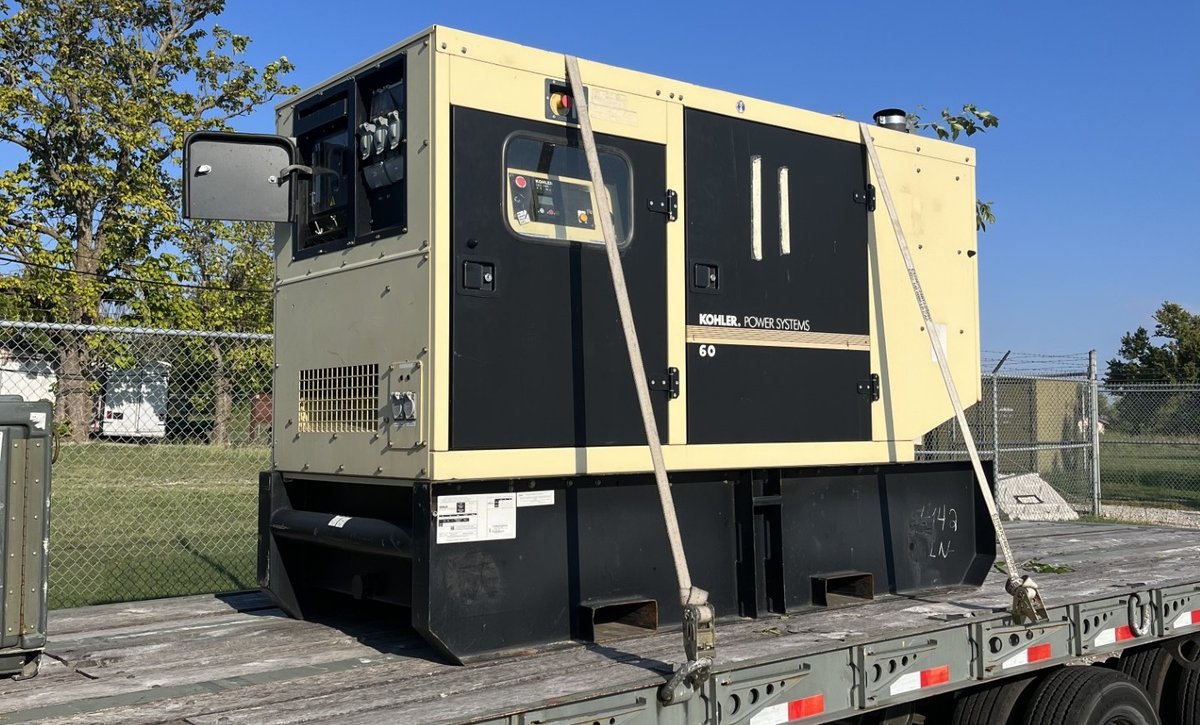
When the lights go out, your 25kw generator isn't just a machine; it's a lifeline, a silent promise of comfort and safety for your home or business. Especially in areas prone to power outages, understanding the Maintenance & Longevity of 25kw Generator Systems isn't just smart—it's essential. This isn't about complex engineering jargon; it's about practical, actionable insights to ensure your backup power is always ready, always reliable, and lasts as long as possible. Think of it as investing in peace of mind.
Most well-maintained generators, like a trusty vehicle, can serve you faithfully for 10 to 15 years. But longevity isn't a given; it's earned through diligent care, smart usage, and knowing when to make a critical decision: repair or replace. Let's dig into how you can maximize that lifespan and keep your generator a dependable guardian.
At a Glance: Key Takeaways for Generator Longevity
- Expect 10-15 Years: With proper care, your 25kw generator should last well over a decade.
- It's All About Care: Regular oil changes, filter swaps, and professional tune-ups are non-negotiable.
- Fuel Matters: Diesel units often boast longer lifespans; natural gas/propane require specific upkeep.
- Listen to Your System: Strange sounds, leaks, error codes, or smoke are immediate calls for attention.
- Climate is King: Harsh environments (think Florida's salt air and humidity) demand more frequent checks.
- Repair vs. Replace: Weigh age, repair cost vs. new unit price, and changing power needs.
- Protect Your Investment: A good enclosure can shield your generator from the elements.
Beyond the Box: What Truly Shapes Your Generator's Lifespan?
While a 25kw generator is built tough, several factors conspire to either extend its life or cut it short. Understanding these influences is the first step in taking control of your unit's future.
The Fuel You Feed It: Diesel, Natural Gas, or Propane?
The type of fuel your generator runs on significantly impacts its longevity and maintenance schedule.
- Diesel Units: Often lauded for their robust construction and efficiency, diesel generators tend to have longer operational lifespans. Diesel engines typically run at lower RPMs and are built for heavier loads and continuous operation, leading to less wear and tear over time. However, they require careful fuel storage and can be more complex to maintain.
- Natural Gas (NG) & Propane (LP) Units: These are popular for home backup due to convenience—they tap directly into your home's fuel supply, eliminating the need for on-site fuel storage. While incredibly reliable, NG/LP engines often run at higher RPMs and can experience faster wear if not meticulously maintained. They also tend to have a slightly shorter typical lifespan compared to their diesel counterparts. Both require specific fuel system checks and more frequent spark plug replacements.
Your Usage Habits: The Goldilocks Zone of Operation
How often and how hard you run your generator directly affects its longevity.
- Frequent Operation: The more hours on the meter, the faster components wear down. This doesn't mean you shouldn't use it, but it emphasizes the importance of preventative maintenance after periods of heavy use.
- Infrequent Operation (or Lack Thereof): Letting a generator sit idle for too long can be just as detrimental as overusing it. Seals can dry out, fuel can degrade, and batteries can die. Regular exercise cycles—running the generator for a short period each week or month—are crucial to keep fluids circulating, lubricate moving parts, and charge the battery.
- Proper Loading: Generators are designed to operate most efficiently under a certain load. Running it consistently under-loaded (light load) can lead to "wet stacking" in diesel engines, where unburned fuel and carbon build up. Overloading can stress the engine and alternator, reducing their lifespan.
The Unsung Hero: Consistent, Quality Maintenance
This is arguably the single most critical factor. Skipping routine service, delaying oil changes, or ignoring warning signs is like driving a car without ever checking the tires. Consistent oil changes, filter swaps (air, fuel, oil), and regular tune-ups are the bedrock of a long and healthy generator life. We'll dive into the specifics shortly.
Environmental Factors: The "Florida Effect"
Where your generator lives plays a huge role. Generators in mild, dry climates generally face fewer environmental stresses. However, if your 25kw generator system is in a region like Florida, it faces a gauntlet of challenges:
- Salt Air: Coastal areas mean corrosive salt in the air, which accelerates rust on metal components and can degrade electrical connections.
- High Heat & Humidity: Constant heat can break down fluids faster, stress electrical insulation, and lead to condensation issues. High humidity promotes rust and mold.
- Severe Storms: Hurricanes and tropical storms don't just cause outages; they bring wind, rain, and debris that can physically damage the unit, even when it's not running.
Generators in such environments require more frequent inspections and specific protective measures to counteract these aggressive conditions. Understanding these factors is key to tailoring your maintenance strategy. For a deeper dive into everything related to your backup power, consider our complete 25kw generator guide.
The Foundation of Forever: Essential Routine Maintenance for Your 25kw System
Think of your generator's maintenance schedule like a health regimen. Regular check-ups prevent major issues, ensuring peak performance when you need it most.
The Oil Change Ritual: More Than Just a Dipstick Check
Engine oil is the lifeblood of your generator, lubricating moving parts, dissipating heat, and carrying away contaminants.
- Frequency is Key: Consult your owner's manual for specific intervals, but typically, oil should be changed every 100-200 hours of operation or at least once a year, whichever comes first. In harsh conditions or with heavy use, more frequent changes might be necessary.
- Quality Matters: Use the recommended oil type (synthetic often offers superior protection and longer intervals) and a new oil filter every time.
- How-To Snippet: Always warm up the engine slightly before draining to ensure contaminants are suspended. Use a drain pan, remove the drain plug, let it fully drain, replace the plug, replace the oil filter, and then refill with the correct amount and type of oil. Check the dipstick to ensure the level is within the proper range.
Filter Facts: Air, Fuel, and Oil (Yes, All Three!)
Filters protect your engine from harmful particles.
- Air Filter: Prevents dust, dirt, and debris from entering the engine. A clogged air filter restricts airflow, reducing efficiency and potentially causing engine damage. Check and replace annually or more frequently in dusty environments.
- Fuel Filter: Catches impurities in the fuel before they reach the engine's fuel injectors or carburetor. A dirty fuel filter can cause stalling, rough running, or prevent starting. Replace annually or as per manufacturer guidelines. This is especially crucial for diesel systems where fuel quality is paramount.
- Oil Filter: Works alongside the oil to remove contaminants. Always replace it with every oil change.
Battery Health: The Silent Powerhouse
Your generator's starting battery is its Achilles' heel. If it's dead, nothing else matters.
- Regular Checks: Inspect battery terminals for corrosion, clean them as needed, and ensure connections are tight.
- Charge It: Most modern generators have an onboard battery charger. Confirm it's working by checking the battery's voltage regularly. If your generator lacks an automatic charger, invest in a trickle charger.
- Replacement: Batteries typically last 3-5 years. Don't wait for a power outage to find yours is dead. Test it annually and replace it proactively around the 3-year mark.
Coolant System: Keeping Its Cool
For liquid-cooled 25kw generators, the coolant system prevents overheating.
- Check Levels: Ensure the coolant reservoir is topped off with the correct type of coolant.
- Inspect Hoses & Radiator: Look for leaks, cracks in hoses, or debris blocking the radiator fins.
- Flush & Fill: Periodically, the coolant needs to be flushed and replaced according to the manufacturer's schedule.
Spark Plugs & Ignition: The Spark of Life
For natural gas and propane generators, spark plugs are vital for combustion.
- Inspect & Replace: Check spark plugs annually for wear, fouling, or damage. Replace them as recommended by the manufacturer, usually every 100-200 hours.
- Ignition System: Ensure ignition wires are in good condition and connections are secure.
Load Testing: Proving Its Worth
An exercise cycle runs the generator, but a load test pushes it to perform under actual stress.
- Simulate an Outage: Have a qualified technician conduct a load test annually. This involves connecting a resistive load bank to the generator to ensure it can produce its rated power reliably and handle the transition under load. This is the ultimate proof of readiness.
- Benefits: It burns off carbon deposits, checks the engine's ability to handle stress, verifies voltage and frequency stability, and ensures all components are working together under real-world conditions.
Enclosures & Protection: Your Generator's Armor
A robust enclosure does more than just quiet your generator; it's its first line of defense.
- Weather Shield: A well-designed, ventilated enclosure protects against rain, snow, wind, and debris.
- Security: It can deter theft and vandalism.
- Pest Control: Keeps out rodents and insects that can chew wires or build nests.
- Maintenance: Regularly inspect the enclosure for damage, clear ventilation openings, and ensure doors/panels seal properly.
By adhering to a consistent routine, you're not just maintaining a machine; you're safeguarding your investment and the comfort it provides during critical moments.
Decoding Distress Signals: When Your Generator Whispers (or Shouts) for Help
Your generator, like any complex piece of machinery, communicates. Learning to interpret its "language" can help you catch minor issues before they escalate into costly breakdowns or, worse, failure during an emergency.
Starting Troubles: The Crank and No Start Saga
- Hard Starting or Prolonged Cranking: If your generator takes longer than usual to start, or cranks repeatedly without firing, it's a clear warning. This could point to a weak battery, fuel delivery issues (clogged fuel filter, stale fuel), fouled spark plugs, or an ignition system problem.
- Refusal to Start: The most alarming signal. Start by checking the battery, fuel level, and any obvious kill switches. If those are fine, it's time for professional diagnosis.
Sound Advice: Listening to Your Generator
Generators have a distinct hum. Any deviation from this normal operating sound should grab your attention.
- Knocking, Rattling, Grinding: These often indicate internal mechanical issues. A knocking sound might be a connecting rod, a rattle could be loose components, and grinding suggests friction where there shouldn't be any. These require immediate professional inspection.
- Screeching: Often points to a failing bearing in the alternator or engine, or a loose/worn belt.
- Excessive Vibration: While some vibration is normal, excessive shaking can indicate an imbalance, worn mounts, or internal engine issues.
Leaky Business: Don't Ignore the Drips
Any liquid pooling under your generator is a red flag.
- Oil Leaks: Can signify worn seals, gaskets, or a loose oil filter. Beyond making a mess, low oil levels can quickly lead to catastrophic engine failure.
- Coolant Leaks: Indicates a breach in the cooling system (hose, radiator, water pump). This can lead to overheating and severe engine damage.
- Fuel Leaks: A significant safety hazard! Fuel leaks are not only a fire risk but also mean your generator is losing its critical supply. Trace the leak immediately and address it.
Power Problems: Surges, Drops, and Shutdowns
These signals directly relate to the generator's ability to produce stable power.
- Power Surges or Drops Under Load: If your lights flicker or appliances struggle when the generator is running, it indicates unstable voltage or frequency. This could be an issue with the alternator, voltage regulator, or engine governor.
- Struggling or Shutting Down Under Load: If the generator can't maintain power during an outage or shuts down unexpectedly, it might be overloaded, suffering from fuel starvation, or experiencing a critical engine fault. This is especially concerning if it happens during long outages when reliability is paramount.
Warning Lights & Error Codes: Decoding the Dashboard
Many modern 25kw generators have control panels with diagnostic displays.
- Warning Lights: Pay attention to any illuminated warning lights (oil pressure, coolant temperature, engine fault). Consult your manual immediately to understand what they signify.
- Error Codes: These alphanumeric codes are specific diagnostic messages. Jot them down precisely and refer to your manual or provide them to a service technician. They are invaluable for pinpointing the exact problem.
Smoke Signals & Strange Smells: When Something's Burning
Visual and olfactory cues are often undeniable.
- Excess Smoke:
- Blue Smoke: Often indicates burning oil.
- White Smoke: Can be burning coolant or condensation (especially on cold starts).
- Black Smoke: Usually signifies unburned fuel, possibly due to a dirty air filter, restricted exhaust, or fuel system issue.
- Strange Smells:
- Burning Rubber: Could be a slipping belt or electrical insulation burning.
- Burning Oil: Similar to blue smoke, indicates an oil leak burning off hot surfaces.
- Electrical Burning Smell: Immediate shutdown and inspection are required, as this signals an electrical short or component overheating.
Addressing these minor fixes quickly, particularly before hurricane season or any anticipated severe weather, can prevent a minor inconvenience from becoming a major crisis. Regularly checking your system ensures it's ready to perform, as detailed in our complete 25kw generator guide.
The Big Question: Repair or Replace Your Trusted Guardian?
At some point, every long-term owner faces this dilemma: is it worth repairing, or is it time for a new unit? This isn't a simple calculation; it requires weighing several factors.
Age Matters: The 10-15 Year Benchmark
As the ground truth research highlights, most well-cared-for generators last between 10 to 15 years.
- Under 10 Years: Unless there's catastrophic damage or a known design flaw, repair is almost always the economically sound choice.
- 10-15 Years: This is the grey area. If your generator is frequently breaking down, even with regular maintenance, its "service life" might be nearing its end. Components wear out, and reliability starts to diminish.
- Over 15 Years: Unless it's a minor, inexpensive fix and the unit has seen very light use, replacement is often the safer and more cost-effective long-term option. The risk of subsequent failures increases dramatically.
Cost-Benefit Analysis: The Repair Bill vs. New Unit Price Tag
This is often the primary driver.
- The 50% Rule: A common rule of thumb is that if the cost of repairs approaches 50% or more of the price of a comparable new unit, replacement should be seriously considered. For major repairs (e.g., engine overhaul, alternator replacement), this threshold can be reached quickly.
- Frequent Repairs: If you're constantly shelling out for smaller repairs, the cumulative cost can quickly eclipse the value of a new generator. Track your repair expenses over a 1-2 year period.
Meeting Demand: Is It Still Enough?
Your power needs might have changed since you first installed your generator.
- Increased Demand: Have you added new appliances, converted to electric heating, or grown your family? Your current 25kw generator might no longer be sufficient to power your entire home comfortably during an extended outage. A replacement offers the opportunity to size up.
- Efficiency: Newer generators are often more fuel-efficient and produce cleaner power, which can be better for sensitive electronics.
Corrosion & Wear: The Silent Killer
Especially in coastal or humid environments, corrosion can become a serious problem.
- Rust & Salt Air: If your generator shows significant corrosion on its frame, engine block, or electrical connections, its structural integrity and reliability are compromised. Florida's salt air and humidity accelerate this process, demanding more frequent checks and proactive rust treatment.
- Internal Wear: Engine components naturally wear over time. While individual parts can be replaced, extensive wear across multiple systems can make repair uneconomical.
Parts Availability: Future-Proofing Your Fix
Older generators can run into issues with discontinued or hard-to-find parts.
- Obsolete Models: If obtaining replacement parts becomes a prolonged and expensive scavenger hunt, it's a strong signal for replacement. Downtime waiting for parts is not an option during an emergency.
Reliability During Storms: Peace of Mind Has a Price
Ultimately, your generator's purpose is to provide reliable power when you need it most.
- Unwavering Readiness: If your generator cannot reliably operate through a hurricane or multiple days without power, or if you constantly worry it might fail, replacement is the safer option. The peace of mind that comes with a new, dependable unit often outweighs the cost of patching up an aging one.
When facing this decision, get professional quotes for both repair and replacement. A trustworthy technician can provide an objective assessment of your unit's condition and future reliability.
Extending the Lifeline: Proactive Strategies for Peak Performance
Even with all the factors influencing lifespan, you have significant control over how long your 25kw generator serves you. These proactive strategies are about prevention, not just reaction.
Professional Inspections: The Annual Check-up
While DIY maintenance is great for routine tasks, an annual professional inspection is invaluable.
- Expert Eyes: Certified technicians have specialized tools and training to spot issues you might miss. They can identify potential problems before they become critical failures.
- Comprehensive Review: They'll check engine parameters, electrical outputs, fuel system integrity, control panel diagnostics, and perform load testing.
- Peace of Mind: Knowing a professional has given your generator a clean bill of health instills confidence in its readiness.
Smart Enclosures: Weathering the Storms
As mentioned earlier, a quality enclosure is a vital investment.
- Beyond Basic Cover: Ensure the enclosure is designed for proper ventilation, allows easy access for maintenance, and is constructed from durable, weather-resistant materials.
- Strategic Placement: Work with your installer to place the generator in a location that minimizes exposure to direct wind, driving rain, and corrosive elements, while still adhering to all safety codes (e.g., clearance from windows, doors, and combustible materials).
Fuel Management: Fresh Fuel, Happy Generator
Fuel quality is paramount, especially for generators that sit idle for long periods.
- Fuel Stabilizers: For units with on-board fuel tanks (like diesel or portable gas generators), use a high-quality fuel stabilizer if the fuel will sit for more than a few months. This prevents fuel degradation, gumming, and phase separation.
- Regular Turnover: If feasible, use and replenish the fuel in tanks periodically. This ensures fresh fuel is always available. For natural gas or propane, ensure your supply lines are clean and free of obstructions.
Regular Exercise: Keep It Limber
The "use it or lose it" principle absolutely applies to generators.
- Weekly/Bi-Weekly Runs: Most standby generators have an automatic exercise cycle, typically running for 15-30 minutes once a week or bi-weekly. Confirm this feature is active and set correctly.
- Why It Works: Exercise cycles lubricate engine components, charge the battery, burn off moisture, and ensure the fuel system remains primed. It's a crucial, low-effort step in extending lifespan.
Remember that a properly maintained 25kw generator system is a resilient one. Regular checks and proactive measures are your best defense against unexpected breakdowns.
Climate Considerations: Why Location Changes Everything
We touched on the "Florida Effect" earlier, but it warrants a closer look as a prime example of how environment dictates maintenance frequency and strategy.
High Heat & Humidity: The Silent Accelerators
In hot, humid climates:
- Fluid Degradation: Engine oil and coolant can break down faster due to constant high temperatures. This means you might need more frequent oil and coolant changes than recommended in a temperate climate.
- Electrical Stress: High heat stresses electrical components and insulation, potentially leading to premature failure.
- Condensation & Corrosion: Humidity promotes condensation, which can lead to rust and corrosion, even within seemingly protected components.
Salt Air Corrosion: A Relentless Foe
Coastal areas are beautiful, but brutal on machinery.
- Aggressive Rust: Salt particles carried on the wind are highly corrosive. They penetrate every crevice, accelerating rust on the generator's exterior, frame, and internal components like alternators and wiring.
- Electrical Conductivity: Salt residue can form conductive bridges on electrical components, leading to shorts or performance issues.
- Increased Cleaning & Protection: Generators in these regions require more frequent cleaning (rinsing with fresh water, followed by drying) and regular application of corrosion inhibitors on exposed metal and electrical connections. A robust, sealed enclosure is non-negotiable.
Storm Season Readiness: Beyond Just Starting Up
Regions prone to severe weather (like hurricane zones) demand a heightened state of readiness.
- Pre-Storm Checks: Before storm season hits, a thorough inspection and servicing of your generator system are paramount. This includes checking all fluids, filters, battery, belts, and conducting a test run.
- Fuel Stockpile: For diesel or propane generators, ensure you have an adequate, stabilized fuel supply. For natural gas, verify your utility connection is secure.
- Emergency Contact: Have the number of your generator service technician handy, as they'll be in high demand post-storm.
In these challenging climates, your 25kw generator system isn't just an appliance; it's a survival tool. Treating it with extra care directly impacts your safety and comfort during outages.
Your Generator, Your Security: Final Checks for Unwavering Reliability
You've invested in a 25kw generator for peace of mind. Ensuring it delivers on that promise boils down to consistency, vigilance, and informed decision-making.
Pre-Storm Prep: A Checklist for Calm
Before any major weather event or anticipated outage, run through a quick checklist:
- Visual Inspection: Look for any obvious damage, leaks, or obstructions.
- Fluid Levels: Check oil and coolant levels.
- Battery Status: Ensure terminals are clean and the battery is charged.
- Fuel Supply: Confirm adequate fuel (or secure natural gas connection).
- Test Run: Initiate a manual test run to ensure it starts and runs smoothly under no load.
- Clear Debris: Ensure the area around the generator is free of leaves, branches, or anything that could block ventilation.
Documentation & Records: Your Generator's Life Story
Keep a detailed log of all maintenance, repairs, and inspections.
- Proof of Care: This documentation is invaluable for warranty claims, troubleshooting, and demonstrating good care if you ever decide to sell the property.
- Future Planning: It helps you track patterns of wear and anticipate future maintenance needs.
Knowing Your Service Partner: A Trustworthy Alliance
Just like you have a trusted mechanic for your car, have a reliable, certified generator technician for your system.
- Expertise: They understand the intricacies of 25kw generator systems and can provide tailored advice.
- Emergency Support: A good service partner can offer priority service during widespread outages.
By embracing routine service, understanding the nuances of your generator's environment, and making informed decisions about repair or replacement, you're not just maintaining a machine. You're fortifying your home, protecting your family, and ensuring that when the grid fails, your power doesn't. For a deeper understanding of selecting, installing, and managing your backup power solution, dive into our complete 25kw generator guide. Keep that generator humming, and keep your peace of mind intact.