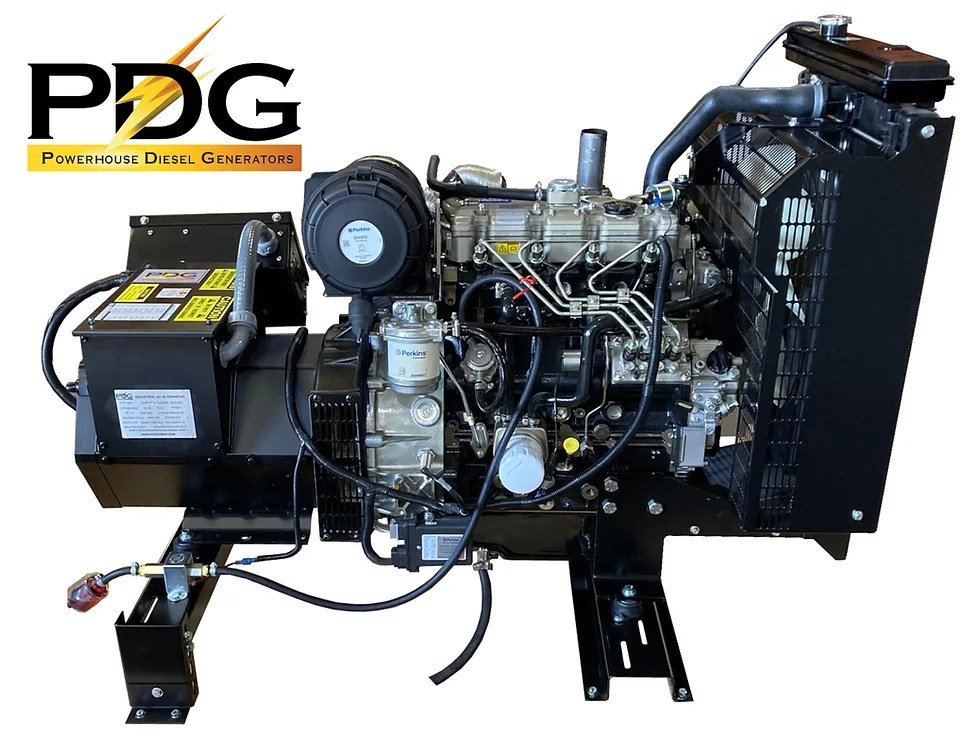
Facing a power outage can feel like a sudden return to the Dark Ages, especially when critical systems or cherished comforts depend on a steady supply. For many homes, businesses, and specialized applications, a 25-kilowatt (kW) generator stands as a robust bulwark against such interruptions. But what exactly makes these machines tick, and what are the Key Features & Technology in 25kW Generators that separate the good from the truly exceptional?
It's not just about raw power; it's about intelligence, efficiency, and seamless integration. Whether you're safeguarding a family home, ensuring business continuity, or powering a remote industrial site, understanding the sophisticated engineering under the hood of a 25kW generator is crucial. Let's peel back the layers and discover the innovations that deliver reliable electricity when you need it most.
At a Glance: Your 25kW Generator in Focus
- Sizeable Power: A 25kW generator provides substantial output, often capable of powering entire homes, small businesses, or critical industrial equipment.
- Fuel Flexibility: Options typically include natural gas, propane, diesel, or even dual-fuel systems, offering versatility based on availability and cost.
- Clean Power (THD): Modern generators, like those with TruePower™ Technology, deliver power with minimal Total Harmonic Distortion (THD), crucial for sensitive electronics.
- Smart Monitoring: Advanced connectivity (e.g., cellular/Wi-Fi) allows for remote oversight, diagnostics, and proactive maintenance scheduling.
- Automatic Operation: Standby models automatically detect outages and kick in, ensuring a seamless transition without manual intervention.
- Application-Specific Design: You'll find models optimized for diverse needs, from quiet residential backup to rugged off-grid industrial power.
- Efficiency Matters: Fuel-saving technologies, low-speed test modes, and direct DC output options enhance operational efficiency and reduce running costs.
More Than Just Power: Why 25kW Matters
A 25kW generator isn't just a bigger version of a portable camping unit; it's a serious investment in energy independence. This power class strikes a sweet spot for many users, offering enough wattage to handle substantial electrical loads without becoming overly large or fuel-hungry.
For homeowners, a 25kW standby unit can comfortably run central air conditioning, well pumps, multiple appliances, and all household electronics simultaneously. Businesses often find it ideal for maintaining essential operations, including lighting, refrigeration, point-of-sale systems, and security, preventing costly downtime. In specialized fields, from remote telecom towers to marine vessels and off-grid facilities, 25kW can be the primary power source, supporting critical infrastructure day in and day out.
But what defines this capability goes far beyond the "25kW" number. It's the sophisticated features and underlying technology that truly determine its performance, reliability, and ease of use.
The Heart of the System: Core Components & Engine Technology
At its core, a 25kW generator is an engine paired with an alternator. Yet, the choices made in their design and integration dramatically impact the generator's overall performance.
Engine Type: Fueling Your Power Needs
The engine is the prime mover, converting fuel into mechanical energy. The type of fuel it consumes is a primary distinguishing feature:
- Natural Gas (NG): A popular choice for residential and commercial standby generators due to its continuous supply from the utility grid, eliminating the need for on-site fuel storage or refills. It's generally cleaner-burning, though slightly less energy-dense than propane.
- Liquid Propane (LP): Stored in tanks, propane offers excellent portability and long shelf life. It's often preferred where natural gas isn't available or as a backup fuel for dual-fuel systems. Like NG, it burns cleanly.
- Diesel: Renowned for its fuel efficiency, durability, and robust power delivery, diesel generators are workhorses in commercial, industrial, and off-grid applications. They offer high torque and are excellent for sustained, heavy loads. However, diesel fuel requires storage and can degrade over time, and emissions are typically higher than gaseous fuels.
- Dual-Fuel/Bi-Fuel: Some advanced 25kW generators can seamlessly switch between two fuel types, often natural gas and propane. This offers unparalleled flexibility and extended runtimes, leveraging the availability of piped gas while having a stored fuel backup.
Cooling Systems: Keeping the Core Tempere
An engine generating 25kW of power produces significant heat. Efficient cooling is vital for longevity and performance:
- Air-Cooled: Simpler in design and typically found in smaller generators, air-cooled systems use a fan to push air over the engine's fins. While effective for less demanding use, they can be noisier and less efficient for continuous, heavy loads in this power class.
- Liquid-Cooled: More common in 25kW and larger generators, liquid-cooled systems circulate coolant through the engine, much like a car. This allows for more efficient heat dissipation, contributing to a longer engine life, quieter operation, and a more compact design. The Generac Protector Series, for instance, utilizes a liquid-cooled design that contributes to its small footprint. This is a significant advantage for installations where space is at a premium.
The Alternator: Transforming Mechanical Energy into Electricity
The alternator is where the magic of electricity generation happens. Its design determines the quality and type of power produced:
- AC (Alternating Current) Output: The standard for homes and businesses, AC power is what the utility grid provides. Most 25kW generators for standby applications produce AC output, typically 120/240V split-phase for residential or three-phase for commercial needs.
- DC (Direct Current) Output: For specialized applications, DC output can be a game-changer. The Innotec Power 25kW DC generator, for example, delivers direct 48V DC. This is incredibly efficient for battery charging, solar hybrid systems, telecom sites, or military applications where DC loads are prevalent. By converting directly to DC, it "reduces energy losses and improves system performance compared to traditional diesel generators" that would first generate AC, then convert to DC, adding inefficiency.
Smart Power Delivery: Electrical & Output Technology
It’s not enough to simply produce electricity; a 25kW generator must deliver quality power. Modern technology ensures the electricity is stable, clean, and robust enough for diverse needs.
TruePower™ Technology & Total Harmonic Distortion (THD)
One of the most critical advancements for any modern generator is its ability to produce "clean" power. This is measured by Total Harmonic Distortion (THD).
- What is THD? It's a measure of the distortion in an electrical waveform. Utility power has very low THD (typically <3%). Older or lower-quality generators can have high THD, causing electrical noise and interference.
- Why does it matter? High THD can damage sensitive electronics like computers, smart TVs, medical equipment, and modern appliances with microprocessors. It can also cause motors to run hotter and less efficiently.
- TruePower™: Generac's TruePower™ Technology, found in its 25kW standby models, is a prime example of this innovation. It ensures "power quality with less than 5% total harmonic distortion." This is critical because it means you can confidently power everything from your refrigerator to your home office setup without fear of damage or malfunction during an outage.
Surge Capacity: Starting the Big Loads
Starting large electrical motors – like those in central air conditioners, well pumps, or workshop equipment – requires a momentary burst of extra power, known as starting watts or surge capacity. This can be two to three times the running wattage.
- The Challenge: A generator might have enough running watts for an appliance, but not enough surge capacity to get it started.
- The Solution: High-quality 25kW generators are engineered with robust alternators and voltage regulation systems to provide this essential surge capacity. This allows them to "start and power large electrical loads" without bogging down or tripping breakers, ensuring your crucial appliances come online reliably.
Automatic Transfer Switches (ATS): The Seamless Transition
For standby generators, the Automatic Transfer Switch (ATS) is the unsung hero, ensuring power outages are barely noticed.
- How it Works: The ATS continuously monitors the utility power. When an outage is detected, it automatically disconnects your property from the utility grid and signals the generator to start. Once the generator reaches optimal power, the ATS transfers the electrical load to the generator. When utility power returns, the process reverses: the ATS switches the load back to utility power and signals the generator to shut down after a cool-down period.
- Benefits: This completely automated process means you don't have to lift a finger. Your power stays on, critical systems remain operational, and you avoid the safety risks of manual connections.
Voltage Regulation: The Unwavering Output
Maintaining a consistent voltage output is essential for the safe and efficient operation of all your electrical devices. Modern 25kW generators employ sophisticated Automatic Voltage Regulators (AVR) to ensure that the voltage remains stable, even as loads fluctuate. This prevents power surges or sags that could damage equipment or reduce its performance.
Keeping Watch: Monitoring & Connectivity Features
Today's 25kW generators are smart machines, designed to communicate their status, perform self-checks, and even allow for remote management. These features enhance convenience, reliability, and peace of mind.
Mobile Link™ & Cellular Connectivity: Remote Peace of Mind
The ability to monitor your generator from anywhere in the world has revolutionized generator ownership.
- For Owners: Generac's Mobile Link™ is a prime example. Through cellular connectivity (or Wi-Fi, depending on the model), owners can "monitor function via Mobile Link" on their smartphones or computers. This means receiving real-time alerts about power outages, maintenance reminders, and diagnostic information, whether you're at home or on vacation.
- For Servicers: This connectivity also extends to authorized service providers via platforms like Fleet, allowing them to proactively monitor units, perform remote diagnostics, and schedule maintenance efficiently. This "24/7/365 customer support" capability, often paired with U.S.-based engineering and manufacturing, adds another layer of trust and reliability.
Local Control Panels: On-Site Command Center
While remote monitoring is powerful, a comprehensive local control panel remains essential for immediate, on-site interaction. These panels typically feature:
- Digital Displays: Showing critical information like run hours, battery status, maintenance alerts, and fault codes.
- Start/Stop Controls: For manual operation and testing.
- Diagnostic Indicators: Providing clear signals about the generator's health and any potential issues.
- Exercise Schedule Programming: Allowing you to set regular test runs.
Beyond the Basics: Advanced Operational Features
Beyond the core power delivery, numerous features improve a 25kW generator's user experience, efficiency, and longevity.
Quiet-Test™ Mode: The Neighbor-Friendly Feature
Regular testing is crucial for ensuring a standby generator is ready when needed. However, a full-power test can be noisy.
- The Innovation: Generac's Quiet-Test™ feature addresses this by running a "5-minute, low-speed, quieter test (weekly, biweekly, or monthly) consuming less fuel." This significantly reduces the sound level during scheduled self-tests, making it much more neighbor-friendly, especially in residential settings. It also saves fuel compared to full-speed tests.
Fuel Efficiency & Management: Smarter Consumption
Modern generators are designed to optimize fuel use:
- Smart Governors: Electronically controlled governors adjust engine speed based on the load, ensuring optimal fuel consumption.
- Direct DC Output: As seen with the Innotec Power 25kW DC generator, a direct DC output can "reduce energy losses" inherently, translating to better fuel efficiency when powering DC loads or charging batteries directly.
- Propane/Natural Gas Advantages: Gaseous fuels, especially piped natural gas, can offer continuous, worry-free operation without the need for fuel transfers, often with lower per-unit energy costs than diesel or even bottled propane.
Enclosures & Sound Attenuation: Quieter Performance
No one wants a roaring engine disturbing their peace. The design of the generator's enclosure plays a huge role in noise levels and protection.
- Robust Materials: Many 25kW generators feature durable, weather-resistant enclosures, often made of aluminum (like the Generac Protector Series), protecting internal components from the elements.
- Acoustic Engineering: Inside, sound-dampening materials and clever airflow designs reduce operational noise. This is why many manufacturers proudly state "quieter sound levels" as a key benefit, making them suitable for residential areas or locations sensitive to noise pollution.
Maintenance & Longevity: Built to Last
A 25kW generator is a long-term asset. Features that contribute to its lifespan and ease of maintenance are paramount.
- Robust Design: Generators like the Innotec Power 25kW DC generator emphasize a "robust design" that translates to reliability in demanding environments (off-grid, marine, military).
- Serviceability: Easy access to components for routine checks (oil, filters, spark plugs) simplifies maintenance.
- Proactive Alerts: As mentioned, remote monitoring provides timely reminders for scheduled service, preventing minor issues from becoming major problems.
- Warranty & Support: A strong warranty and accessible customer support are indicators of a manufacturer's confidence in their product.
Small Footprint: Space-Saving Solutions
Generator placement can be a challenge, especially in urban or densely populated areas.
- Compact Design: Innovations like liquid-cooled engines, which allow for a more compact power plant than some air-cooled counterparts, contribute to a "small footprint." This is a significant advantage for installations with limited space, making a powerful 25kW unit viable where larger designs might not fit.
AC vs. DC: Understanding the Difference for 25kW Applications
While most people associate generators with AC power, understanding the distinction between AC and DC output is crucial, especially for specialized 25kW applications.
- AC Generators (e.g., Generac): These are the standard for conventional homes and businesses. They produce alternating current, directly compatible with the grid and virtually all common appliances, lighting, and electronics. If your primary need is whole-home backup or main power for an AC-reliant facility, an AC generator is your go-to.
- DC Generators (e.g., Innotec Power): These specialized units produce direct current. Their advantage shines in scenarios where DC power is the end requirement or where efficiency in battery charging is critical.
- Off-grid Systems: Pair seamlessly with solar panels and battery banks to create a robust hybrid power system. The DC generator can directly charge batteries, topping them up when solar is insufficient.
- Telecom: Remote cell towers and communication infrastructure often run on 48V DC, making a direct DC generator highly efficient.
- Marine & Military: These sectors frequently use DC systems, and direct DC generation reduces conversion losses and complexity.
- Continuous Power Applications: For sites that require constant, stable DC power, these generators offer a streamlined solution.
Choosing between an AC or DC 25kW generator hinges entirely on your specific application and the nature of your electrical loads.
Making the Right Choice: Key Considerations for Your 25kW Generator
Navigating the array of features and technologies can feel overwhelming. To help you zero in on the perfect 25kW generator, consider these practical questions:
1. What's Your Primary Application?
- Standby/Backup: For homes or businesses needing automatic, seamless power during outages (like the Generac standby).
- Prime Power: For off-grid locations, remote sites, or mobile applications where the generator is the main power source (like the Innotec DC unit or many diesel models).
- Portable: While 25kW units are rarely "portable" in the traditional sense, some industrial versions might be mounted on trailers for temporary site power.
2. What Fuel Source Makes Sense?
- Natural Gas: Best for continuous, automatic backup if you have a reliable piped supply.
- Propane: Excellent backup if NG isn't available, or for longer-term storage. Requires tank monitoring.
- Diesel: Ideal for heavy-duty, continuous operation, often more efficient, but requires fuel storage and maintenance.
- Dual-Fuel: Offers maximum flexibility and extended runtime options.
3. How Sensitive Are Your Electronics?
- If you're powering computers, smart appliances, or medical devices, prioritize generators with low THD (under 5%) like those with TruePower™ Technology.
4. What are Your Noise Level Concerns?
- For residential areas, features like Quiet-Test™ mode and sound-attenuating enclosures are non-negotiable. Check the decibel (dB) ratings at a typical distance (e.g., 23 feet).
5. What are the Installation & Footprint Limitations?
- Consider the physical space available. Liquid-cooled designs often offer a more compact footprint for a given power output.
- Think about fuel line requirements, exhaust venting, and clear space for maintenance.
6. What About Maintenance & Support?
- Look for generators with remote monitoring capabilities (Mobile Link), clear local control panels, and accessible service points.
- A strong warranty and responsive 24/7/365 customer support are vital for long-term peace of mind.
7. What's Your Budget vs. Feature Priority?
- While premium features like cellular connectivity, ultra-low THD, and advanced sound attenuation add to the cost, they often pay dividends in reliability, convenience, and equipment protection. Prioritize features that directly address your critical needs.
Common Questions & Misconceptions
Let's clear up a few common queries people have about 25kW generators.
"Is 25kW enough for my whole house?"
For most large homes, yes. A 25kW generator can typically power a 5-ton central air conditioner, a well pump, refrigerator, oven, lights, and all standard electronics simultaneously. However, always conduct a professional load assessment to confirm your specific needs, especially if you have unusually high-demand appliances or multiple AC units.
"Do all 25kW generators produce 'clean' power?"
No. While many modern 25kW units feature low THD technology (like TruePower™), older models or some budget-oriented generators might produce power with higher distortion. Always check the THD specification if you plan to power sensitive electronics.
"Are standby generators hard to maintain?"
Not typically. Modern standby generators are designed for low maintenance, often with recommended service intervals only once a year or after a certain number of run hours. Features like remote monitoring and Quiet-Test™ also simplify ownership by providing timely alerts and allowing for regular, less intrusive self-tests. Professional annual maintenance is highly recommended to ensure peak performance.
Powering Forward: Your Next Steps with 25kW Generators
Understanding the Key Features & Technology in 25kW Generators empowers you to make an informed decision that perfectly matches your needs. From the quiet, clean power of a residential standby unit with TruePower™ Technology and Mobile Link, to the robust, efficient DC output of an off-grid solution for remote sites, the innovation in this power class is remarkable.
The right 25kW generator isn't just a machine; it's an intelligent guardian of your comfort, productivity, and security. Take the time to assess your specific requirements, consult with experts, and invest in a system that offers not just power, but unparalleled peace of mind.